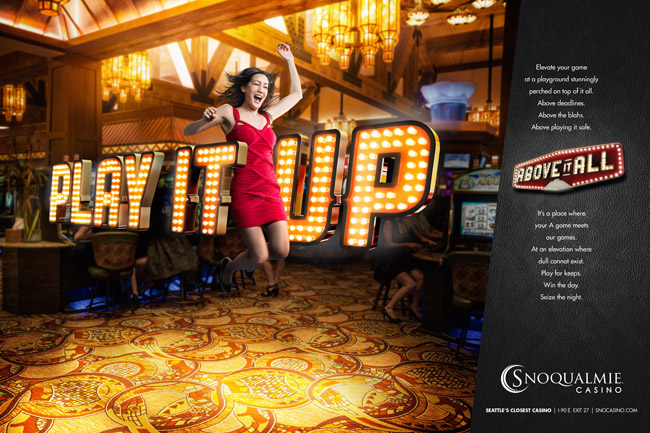
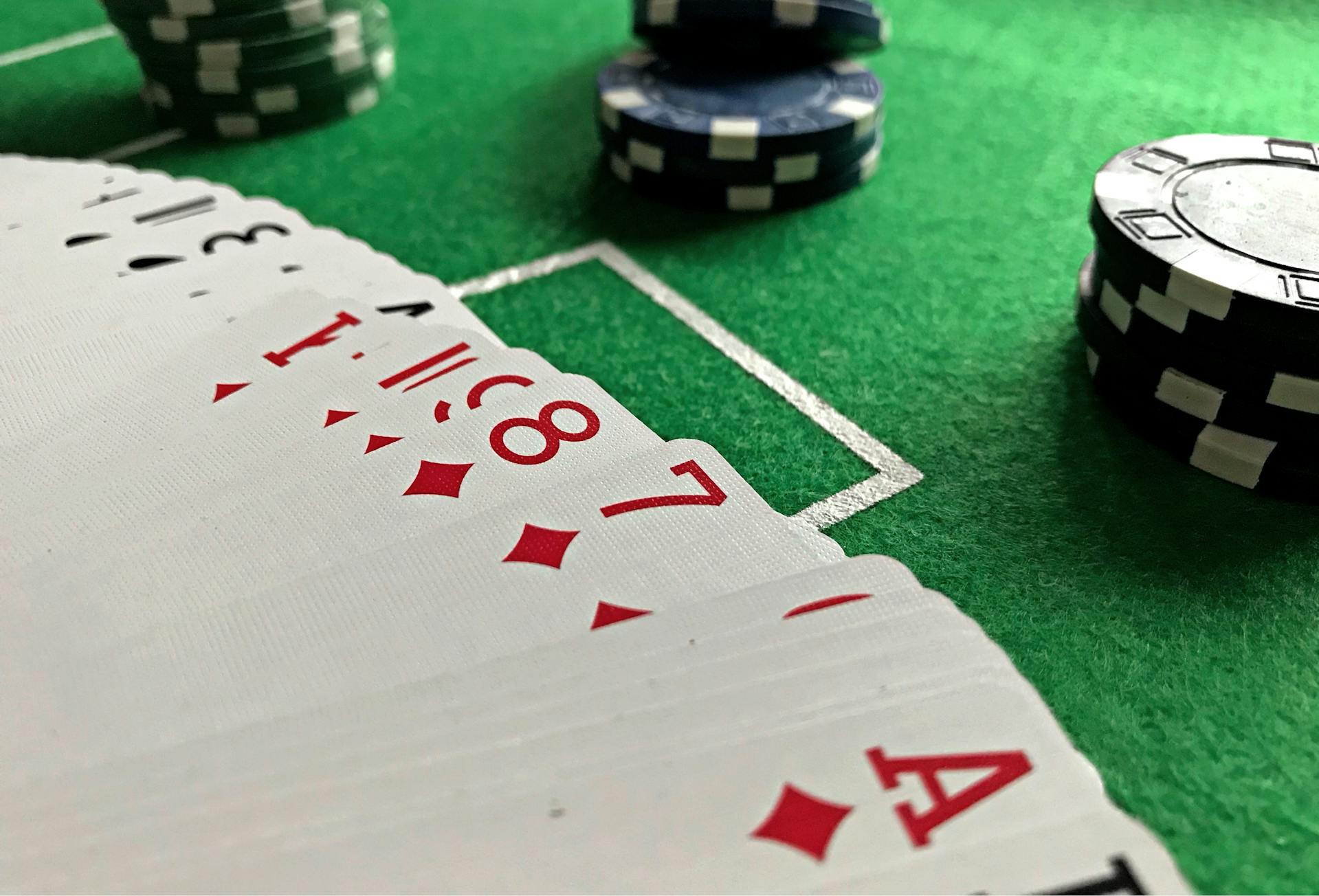
High-stakes gambling is a world where every decision can lead to dramatic wins or sudden losses, keeping players on edge from start to finish. The thrill often comes from the unexpected twists that can change the course of a game in an instant, testing both strategy and nerve. Stories of incredible comebacks and unforeseen setbacks in gambling frequently remind enthusiasts of real life’s unpredictability, much like the infamous star wreck moments that leave a lasting impression long after the game ends. Exploring these parallels helps illuminate why both seasoned players and casual observers are drawn to high-stakes environments. This article examines how uncertainty and surprise shape the gambling experience.
Risk and Reward Dynamics
In gambling, understanding risk and reward is essential, yet unexpected outcomes can still surprise. A calculated bet may still result in an unforeseen loss, while an unexpected turn of events can yield unexpected gains. Life mirrors this dynamic in many ways: decisions made with careful planning can still lead to surprises, and bold moves can sometimes pay off in ways nobody predicted. This unpredictability keeps both gamblers and observers engaged, as each choice carries emotional weight and potential consequence. The balance between calculated risk and chance defines the allure of high-stakes scenarios.
Emotional Highs and Lows
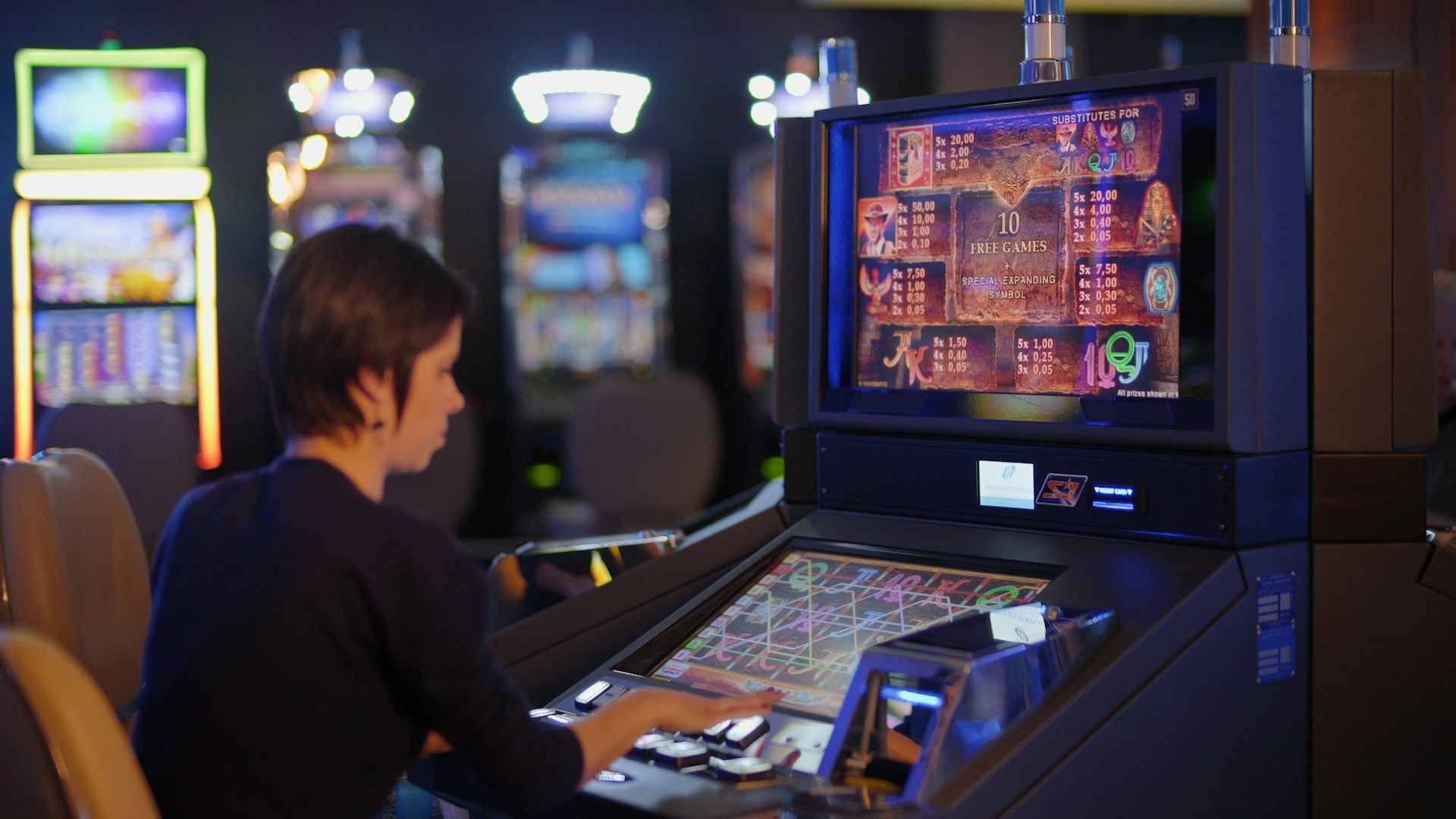
Both high-stakes gambling and life’s sudden twists generate intense emotional responses. Moments of hope, tension, disappointment, or elation are amplified by the uncertainty inherent in each situation. In gambling, the suspense of a turning card or spinning wheel creates adrenaline surges that reward patience and courage. Life’s unexpected events trigger similar reactions, forcing people to adapt and respond quickly. These emotional highs and lows make experiences memorable and provide a visceral connection to the outcomes, reinforcing why unpredictability feels both exciting and consuming.
Decision Making Under Pressure
The ability to make decisions under pressure is another shared trait between gambling and unexpected life events. Gamblers must weigh odds, potential losses, and rewards before taking action, often in real time. Similarly, when faced with sudden twists in life or work, individuals need to assess situations quickly and act decisively. This combination of strategy and instinct is crucial for effectively managing outcomes. Both environments highlight how critical thinking, risk assessment, and emotional regulation come together to shape results, teaching lessons that extend beyond the immediate experience.
Unexpected twists in life reflect many of the elements that make high-stakes gambling compelling: unpredictability, emotional intensity, and the need for rapid decision-making. The shared dynamics of risk, reward, and response create memorable, engaging experiences. Understanding these parallels helps explain why people are drawn to challenges with uncertain outcomes. Whether at a table, on a track, or navigating personal circumstances, the thrill of unpredictability shapes behavior. It keeps participants invested in the moment, making the experience both exhilarating and instructive.